
Source: Intelligent instructor
Clocking Off
Rush-hour crashes rise 24% after clocks go back according to new research
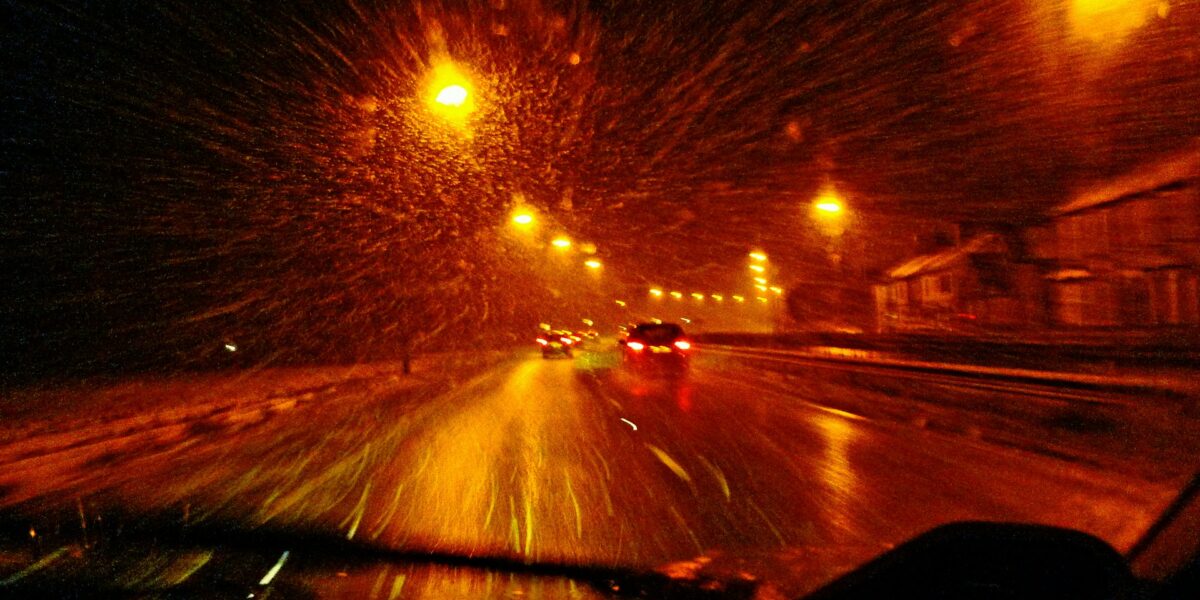
Evening rush-hour collisions on Britain’s roads rise by almost a quarter after the autumn clock change.
Crashes between 5pm and 6pm increase by 45%, according to new research.
The clocks go backwards this Sunday, 25 October.
Lighting up danger
Motorists are being urged to take extra care as the clocks go back at 2am on Sunday 25 October, giving the UK an extra hour in bed, but bringing earlier sunsets and darker evening commutes.
Research by Marshall Motor Group suggests collisions between 4pm and 7pm rise by almost a quarter in the three weeks following the autumn clock change.
Research by Marshall Motor Group, analysing Department for Transport data on police-reported personal-injury collisions between 2022 and 2025, found 6,580 collisions occurred between 4pm and 7pm during the 21 days following each autumn clock change.
This compares with 5,326 in the preceding 21 days, representing an increase of 23.5%.
The sharpest rise occurred between 5pm and 6pm, when collisions increased by 45.3%, from 1,795 to 2,609. By contrast, collision numbers outside the evening rush-hour period fell by 0.1%, suggesting the change in daylight conditions may be an important factor.
Evening collisions increased after the clocks changed in every year studied, rising by 25.6% in 2022, 21.1% in 2023, 22.4% in 2024 and 25.1% in 2025.
Ben Welham, motoring expert at Marshall Motor Group, said: “For many people, 5pm to 6pm is when they’re travelling home from work.
A journey they’ve been making in daylight for weeks can suddenly take place in darkness once the clocks change.
“Even on a road you know well, reduced visibility can mean you have less time to spot and react to what’s happening ahead.”
Scotland’s big increase
Every region of England, as well as Scotland and Wales, recorded an increase in evening collisions after the clock change.
Scotland saw the largest rise, at 45.6%, followed by Wales (38.2%), the North West (37.6%), Yorkshire and the Humber (34.3%) and the West Midlands (33.3%).
At police-force level, 40 of the 44 areas analysed recorded increases.
South Wales Police experienced the largest percentage rise, at 87.1%, followed by Gwent Police at 73.1% and West Mercia Police at 70.3%.
The figures do not prove that darkness alone causes the increase.
Traffic volumes, weather, road conditions and seasonal travel patterns may also contribute.
However, the consistent rise across four years highlights the need for motorists to adapt to changing conditions.
Be prepared
Lighting defects could further compromise safety.
Previous research by online car retailer cinch found more than 19 million lighting-related defects recorded in connection with MOT failures between 2020 and August 2025.
More than 7.2 million involved lights not working, while over one million concerned headlights aimed too low.
Welham urged drivers to check headlights, rear lights, brake lights and indicators, clean lenses and ensure headlights are correctly aligned.
Windscreens should be clean inside and out, wipers should clear the glass effectively, and screenwash levels should be checked.
Reduce speed when visibility deteriorates, leave greater stopping distances and take particular care near junctions, crossings and side roads, where pedestrians and cyclists can be harder to see.
The Highway Code requires drivers to use headlights at night and when visibility is seriously reduced, but they must ensure the headlights are correctly adjusted to avoid dazzling others.
A few minutes spent checking a vehicle and adjusting driving habits could help reduce the risks of the evening commute.