
Source: Intelligent Instructor
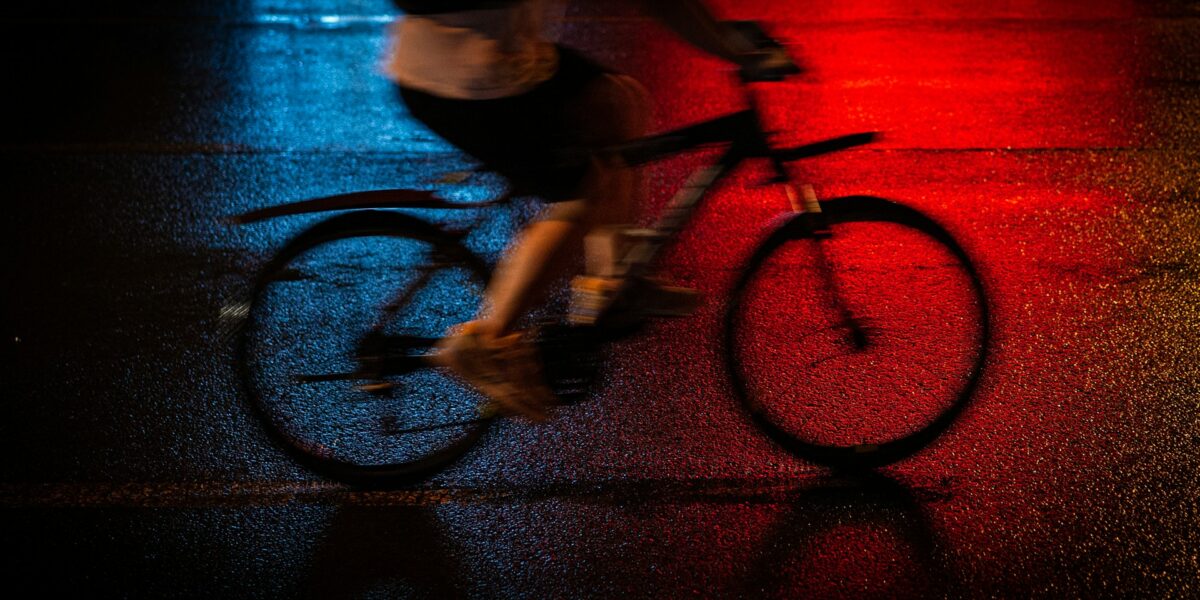
Seeing Red
Cyclists and e-scooter riders increasingly run traffic lights as casualty figures rise
More than half of e-bike riders observed at major UK junctions are now going through red lights.
New research commissioned by dash-cam manufacturer Nextbase reveals the growing road safety issue.
As e-scooter and e-bike numbers rise dramatically, without effective regulation, concerns are growing about road safety and the protection of vulnerable road users.
Plugged in, switched off.
The Nextbase study found that 54% of e-bike riders observed during the research failed to stop at red traffic lights, a sharp increase from 45% the previous year.
The proportion of e-scooter riders breaking the rules also increased, from 20% to 24%, while 19% of conventional pedal cyclists were seen going through red lights, unchanged from the previous year.
These findings are based on observations of more than 31,000 interactions at 78 major junctions in London, Manchester and Glasgow during peak travel periods.
It found the most serious hotspot was the junction of Finsbury Park and Stroud Green Road in north London, where 86% of people on bikes, e-bikes and other two-wheeled vehicles were recorded going through a red light.
Eight of the ten junctions with the highest levels of red-light violations were in London.
Duelling with danger
This research comes against a backdrop of growing concern about casualties involving cyclists and e-scooter users.
Official Department for Transport figures show that 1,390 casualties were recorded in collisions involving e-scooters in Great Britain in 2024, including six deaths.
Of those casualties, 1,096 were e-scooter users themselves and believed by the police to be a highly conservative figure for e-scooter incidents.
The 2024 total was broadly unchanged from 1,387 casualties in 2023.
Provisional figures for 2025 suggest the situation worsened, with an estimated 1,484 casualties in collisions involving e-scooters, including 10 fatalities and 485 people seriously injured.
All ten people killed were e-scooter riders.
Cyclists also remain a significant casualty group on Britain’s roads.
The latest government data recorded 82 pedal cyclist fatalities in 2024, while thousands more were seriously injured in collisions.
Overall, Great Britain recorded 29,467 people killed or seriously injured across all road-user groups that year.
Paying the price
The latest Nextbase research therefore raises questions about whether dangerous behaviour at junctions could be contributing to the risks faced by vulnerable road users, although the study does not establish a direct link between red-light violations and casualty rates.
Bryn Brooker, head of road safety at Nextbase, said the rise in offences among several categories of road users was concerning, particularly the increase involving rental e-bikes.
One possible explanation, he suggested, is the way some rental services charge customers.
“Mentally, you are thinking, ‘If I get there faster, it costs me less. Do I want to sit by this red light and it costs me an extra 50p? No, I don’t?’” he said.
Brooker also warned about what he described as a “herd mentality”, where one rider going through a red light can encourage others to follow.
“There is a herd mentality: as soon as one person jumps through a red light, to some people it feels OK,” he said. “If one or two went through, then others followed. That’s across the board.”
Perspectives
Rental e-bikes accounted for 26% of the e-bike red-light offences recorded in the study, with the remainder involving privately owned e-bikes.
However, campaigners have warned against blaming cyclists and e-scooter users alone.
Simon Munk, head of campaigns at the London Cycling Campaign, said: “Cyclists who run red lights are behaving terribly and are to be condemned. But pointing fingers solely at one group misses the reasons why so many road users of all modes behave badly.”
He argued that junction design and traffic-light sequencing could influence behaviour, adding: “Much comes down to the junctions and phasing of lights. Cyclists tend to run reds when they feel delayed unreasonably.”
Munk called for “good enforcement of road rules for all road users” alongside road designs that encourage safe and legal cycling.
Unregulated danger
The findings come as the use of e-bikes and e-scooters continues to grow, increasing the number of interactions between vulnerable road users, pedestrians and motor vehicles in busy urban areas.
The challenge for policymakers is therefore to improve compliance without discouraging sustainable transport.
There are also increasing calls for the government to introduce effective regulations and legal rules around e-bikes and e-scooter sales and use – they are a motor vehicle but treated as a pedal cycle.
With e-scooter casualties rising and more than half of e-bike riders in the Nextbase study failing to stop at red lights, campaigners and safety experts are likely to face increasing pressure for a combination of better enforcement, safer junction design and greater responsibility from everyone using Britain’s roads.