
Source: Intelligent Instructor
Hot, Cold and Full of Holes
Extreme summer heat raises fears of fresh wave of potholes across Britain’s roads
Britain’s record-breaking summer heat and prolonged drought could leave already fragile roads more vulnerable to cracking and potholes.
The RAC is warning that intense sunlight has effectively accelerated the ageing of road surfaces.
The warning for the coming months comes after this year’s ALARM report into the state of Britain’s roads described huge backlogs in road repairs.
Cracking up
The warning comes with the latest RAC Report on Motoring highlights motorists’ growing concerns about the state of the road network.
Meanwhile, the 2026 ALARM survey reveals that councils in England and Wales face a record £18.62 billion backlog of carriageway repairs.
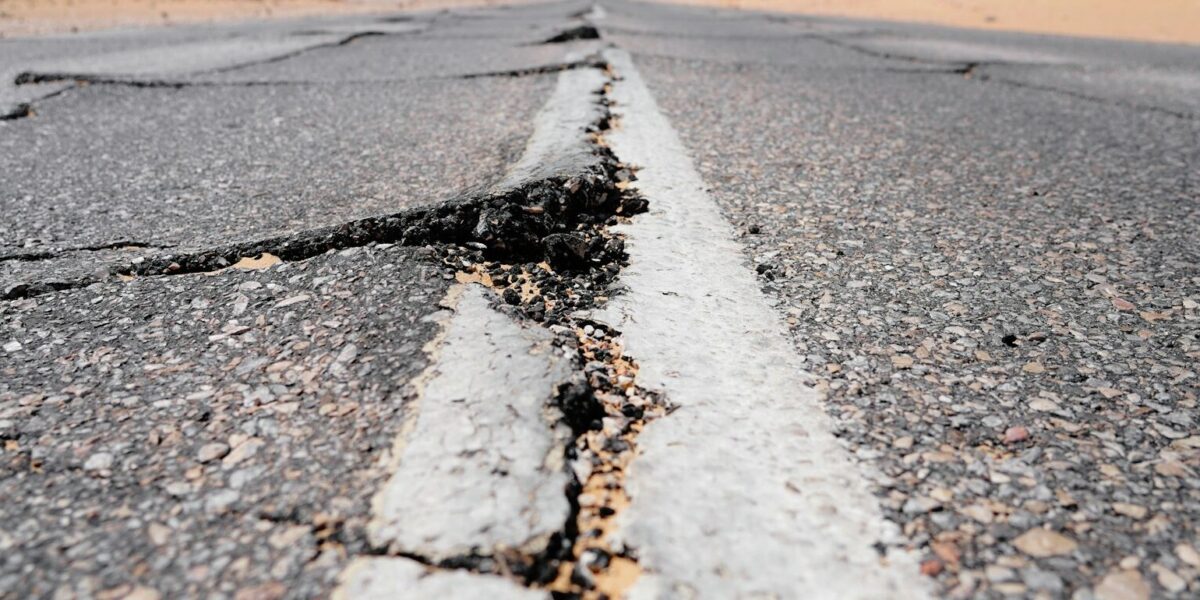
According to the RAC, intense ultraviolet (UV) radiation chemically ages the bitumen used to bind the aggregate in asphalt.
Combined with extreme heat absorbed by dark road surfaces, this accelerates oxidation, making the bitumen harder and less flexible.
As temperatures subsequently fall, the brittle surface can crack.
Water can then penetrate those cracks and, when traffic passes over the weakened area, the damage can develop into a pothole.
Freezing water over the winter months acts as a further wedge to split cracks open, enlarge holes and exacerbate the damage.
Feeling the pain
RAC head of policy Simon Williams said: “As UV and heat oxidise the bitumen binder in asphalt, it becomes harder and less flexible, which leads to cracking. Then water penetrates cracks, and as vehicles drive over them, the surface breaks and potholes start to appear.”
The problem is particularly concerning because Britain’s roads were already in poor condition before this summer’s extreme weather.
Research for the RAC Report on Motoring 2026 found that 51% of drivers regard the condition of Britain’s roads, particularly local roads, as their biggest motoring concern, up from 47% in 2025.
Two-thirds (66%) said their local roads had deteriorated during the previous 12 months, compared with 59% a year earlier.
Meanwhile, 83% said they encounter potholes on most journeys and 54% said they encounter them on every trip.
Paying the price
The consequences are increasingly expensive.
Thirty-four per cent of motorists surveyed said they had suffered vehicle damage because of poor road surfaces, up from 29% in 2025.
RAC data suggests repairs costing more than a simple puncture can reach £590.
The industry’s ALARM report paints a similarly difficult picture.
The 2026 survey found that only 51% of local roads in England and Wales were considered to have at least 15 years of structural life remaining.
Almost one in six (16%), equivalent to more than 32,500 miles, had less than five years of structural life remaining.
Councils filled around 1.9 million potholes during the past year, but the backlog of repairs has continued to grow.
The AIA says bringing local roads back to a reasonable steady state would cost £18.62bn and take around 12 years.
Unsettling forecast
There is also concern that extreme weather is becoming a greater challenge for road engineers.
Mike Hansford, chief executive of the Road Surface Treatments Association, said: “Extremes in the UK’s weather, including increased summer UV radiation, combined with colder, wetter winter conditions, can accelerate deterioration.”
He said preventative treatments were increasingly important to make roads more resilient to these extremes.
Heat can also affect relatively sound roads.
The RSTA says road surfaces can become significantly hotter than the surrounding air because asphalt absorbs solar radiation, with surface temperatures potentially exceeding 50C during a 35C heatwave.
At sufficiently high temperatures, bitumen can soften, potentially causing bleeding, rutting and other deformation.
Williams argues that councils should use preventative maintenance such as surface dressing while roads remain in reasonable condition.
The process seals the surface against water penetration and can extend its useful life.
Prevention and cures
The Government has increased highway maintenance funding, including a £7.3bn commitment for road improvements between now and the end of the decade.
However, the RAC says it will take time before motorists see a significant improvement.
Britain’s roads face a vicious cycle in which extreme weather accelerates deterioration, while an ageing and under-maintained network is less capable of absorbing that additional stress.
The challenge is not simply repairing potholes after they appear: preventative maintenance, drainage and timely resurfacing could be crucial to preventing this summer’s heat from becoming another winter pothole problem.