
Source: Intelligent instructor
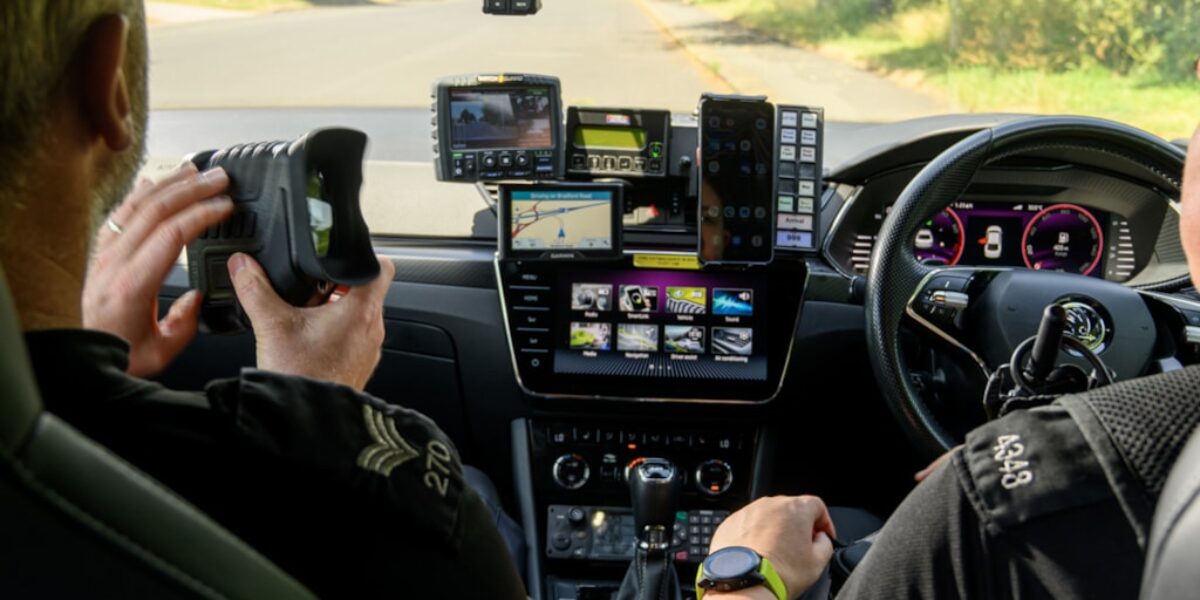
Plate It Up
New roads policing team to target illegal number plates
The Government is stepping up its fight against illegal and deliberately obscured number plates.
A new roads policing team is being funded by the Department for Transport (DfT).
It will help police forces identify offenders and tackle the use of these devices by organised criminals.
Registering change
The new National Roads Policing Coordination Centre (NRPCC) will bring police forces across England together to share intelligence, technology and data, with illegal number plates among its priorities.
It’s an initiative intended to make it harder for drivers to evade speeding, parking and clean-air-zone penalties, but also to prevent criminals using vehicles that police cameras cannot easily identify.
The DfT says illegal plates are increasingly being used to frustrate automatic number plate recognition (ANPR) systems.
These include cloned registrations, where a vehicle is given the registration of another legitimate car, and so-called ‘ghost’ or ‘stealth’ plates designed to make characters difficult or impossible for cameras to read.
Main course
The scale of the problem is difficult to quantify because the Government does not routinely collect figures showing how many illegal plates are in use.
However, DVLA figures highlight the impact of number plate cloning on innocent motorists.
In 2024, the DVLA received 10,461 reports from members of the public who had received correspondence, fines or penalties relating to vehicles they did not recognise or accept responsibility for.
That compared with 7,377 reports in 2020, representing an increase of more than 40%.
There were a further 9,385 reports in the first 10 months of 2025.
The Government cautions that not all of these cases necessarily involve cloning, as some may result from administrative errors.
A feast of issues
For motorists whose vehicles have been cloned, the consequences can be considerable, with fines and enforcement notices arriving for offences they did not commit.
But the Government’s concern goes beyond unpaid road penalties.
Illegal plates can make stolen vehicles, getaway cars and vehicles used to transport drugs or other illegal goods more difficult to trace.
Roads Minister Justin Madders said the Government was determined to use both policing resources and new technology to tackle the problem.
“Illegal number plates are used for crimes from evading parking charges to drug trafficking, and we’re stepping in to protect drivers,” he said. “This is a signal to anyone using illegal number plates that their time is up.”
Seeing the crime
The new operation will also trial specialist technology, including goggles capable of detecting number plates that criminals have attempted to make unreadable to cameras.
Chief Superintendent Marc Clothier, Deputy National Coordinator of the NRPCC, said targeted operations had already demonstrated the value of an intelligence-led approach to tackling ‘ghost plates’.
He said the DfT funding would provide an opportunity to improve “national coordination, consistency, collaboration and communication” between policing, Government and the wider road safety community.
The crackdown follows wider Government proposals to strengthen the law.
The DfT has consulted on introducing penalty points and vehicle seizure for drivers found in charge of a vehicle displaying an incorrect, altered or false number plate.
A number plate is not simply an identification marker, it is a key part of the enforcement system used to identify vehicles and their owners.
When criminals deliberately defeat that system, police say they are not merely avoiding a speeding ticket; they can be making it considerably harder to detect much more serious offences.