
Source: Intelligent Instructor
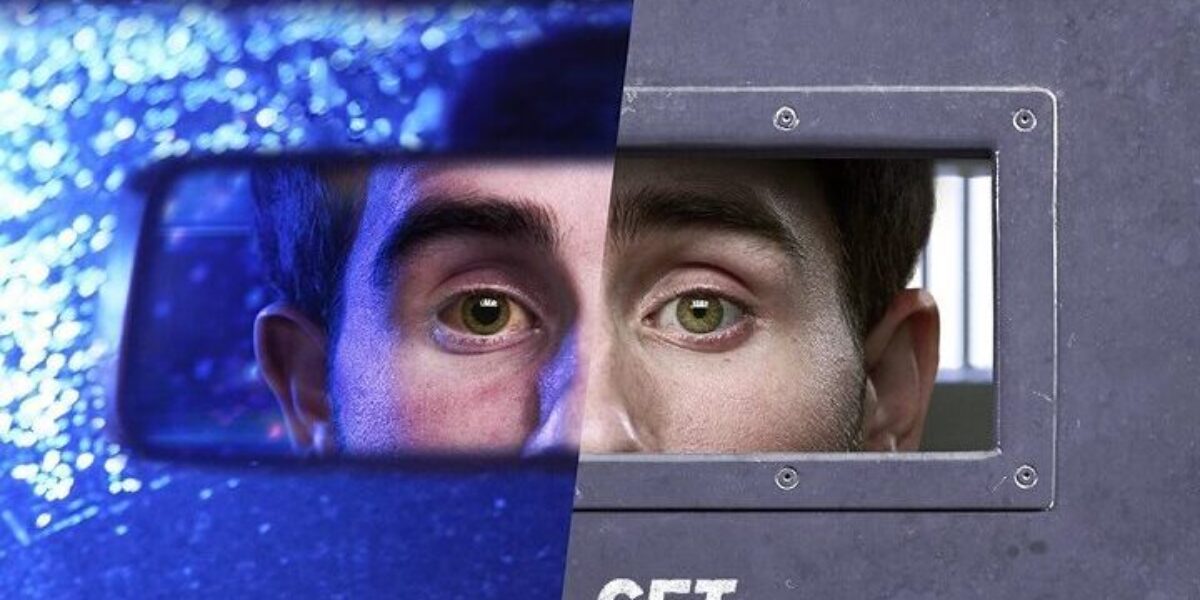
Drugs In The Driving Seat
New THINK! campaign targets rise in drug driving as convictions hit record levels
The Government has launched a renewed THINK! road safety campaign warning motorists not to “Put Drugs in the Driving Seat”.
Official figures show drug driving has become one of the UK’s fastest-growing road safety concerns.
The most worrying growth is among young male drivers.
Summer all year
Running throughout the summer, the campaign focuses particularly on young male drivers, urging them to think twice before getting behind the wheel after taking illegal drugs or certain prescription medicines.
The adverts highlight how even if drivers “feel fine”, drugs can impair reaction times, judgement and concentration for hours or even days.
It’s a campaign that comes against a backdrop of steadily rising drug-driving offences and a sharp increase in fatal collisions involving drugs.
According to THINK!, 21,791 people were convicted of drug-driving offences in England and Wales during 2025, continuing a trend that has seen convictions climb steadily over the past decade.
Meanwhile, between 2014 and 2023, there was a 70% increase in the number of deceased drivers in whom drugs were detected.
Boys will be boys
Young men remain the group most at risk.
Around 90% of drivers impaired by drugs in collisions are male, while four in ten are aged between 17 and 29.
Research commissioned for the campaign also found that almost one-third (32%) of young men believe it is acceptable to drive after taking drugs if they “feel fine”, and nearly half (46%) know someone who has driven after using drugs.
Road safety experts say the problem has become more visible since the introduction of roadside drug-testing equipment and the creation of specific drug-driving offences in 2015, which made enforcement significantly easier.
Police forces now routinely carry out roadside drug wipes alongside breath tests, leading to many more offenders being detected.
Having fun?
However, enforcement alone does not explain the increase.
Campaigners point to greater recreational drug use, widespread misconceptions that cannabis is less impairing than alcohol, and a lack of awareness that many prescription and over-the-counter medicines can also make driving unsafe.
The THINK! campaign aims to challenge those attitudes by emphasising that impairment is not always obvious to the driver.
Even when someone feels capable of driving, drugs can reduce awareness, slow reactions, and affect decision-making, increasing the risk of causing a serious collision.
Police and road safety organisations say tackling drug driving requires a combination of education, enforcement and deterrence.
Public awareness campaigns can help dispel myths around cannabis and other substances, while continued investment in roadside testing technology enables officers to identify offenders more quickly.
Some forces are also trialling new methods to detect substances such as nitrous oxide, which has been linked to a growing number of serious crashes but has historically proved difficult to identify through roadside testing.
Just say no
The latest THINK! campaign is the first sustained Government drug-driving initiative in a decade and forms part of wider efforts to reduce deaths and serious injuries on Britain’s roads.
Its central message is straightforward: whether the drugs are illegal, prescribed or recreational, if they impair your ability to drive safely, the safest decision is not to get behind the wheel.