
Source: Intelligent Instructor
Crossing A Line
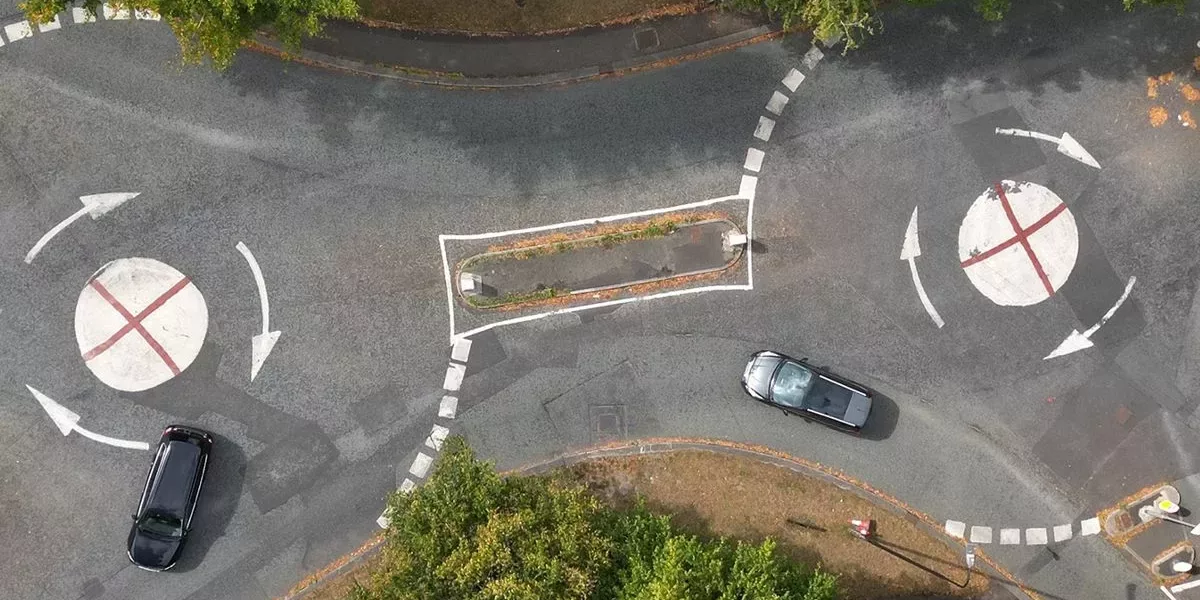
St George’s Cross painted on roundabouts across the UK
Patriotic Markings or Public Hazard?
As immigration is again used as a political football, George’s Crosses on roundabouts across the country are stirring up controversy and breaking the law.
Picture this
In recent weeks, mini-roundabouts across the UK—from the Isle of Wight to Birmingham and Blackpool—have been adorned with bold St George’s Crosses, igniting debate over patriotism versus public safety.
On the Isle of Wight, red crosses appeared in Newport and Ryde, replacing simple white circles and sparking mixed reactions—some celebrating them as playful displays of national pride, others calling them a violation of public space. At the time of reporting, local authorities had not confirmed whether they’d be removed.
Meanwhile, in Birmingham, participants in the grassroots movement dubbed ‘Operation Raise the Colours’ painted crosses on roundabouts in Kings Heath and Yardley Wood.
City councillors warned that such unauthorised markings could be “dangerous” to motorists and pedestrians.
In Blackpool, similar crosses appeared along West Park Drive over the Bank Holiday weekend. Council leaders reiterated that road markings must remain clear and free of distractions—and noted that unauthorized surface markings are illegal.
In Plymouth, council crews attempted to clean up by spraying white paint over a roundabout painted with a cross.
Still, the red lines persisted, resulting in a ghostly impression that locals joked made the roundabout more noticeable—and arguably safer.
Legal safety
Under Section 132 of the Highways Act 1980, it is unlawful to apply markings to the highway surfaces without permission from the responsible authority.
Authorities in Blackpool and elsewhere have stressed that the St George’s Cross paintwork falls under this prohibition.
Derby City Council referred to these symbols as “graffiti,” stating that, however well-intended, they breach public order and aesthetic standards.
Conservative councillors in Derby labelled the removal efforts “overly heavy-handed,” though authorities defended them on grounds of maintaining clean, safe streets.
Highway officials warn that unusual, unregulated markings can cause driver distraction.
In Ilkeston, Derbyshire, residents viewed the cross painted after England’s Euro victory as “a bit of fun,” but Derbyshire County Council cautioned it could divert drivers’ attention at critical junctions.
A user on Reddit pointed out the unpredictable reactions such imagery may provoke.
While some drivers may treat them as caution signals, others might ignore or misinterpret them, resulting in unsafe manoeuvres.
Expressing Pride—But Where?
Supporters across these areas argue the crosses symbolise a form of civic pride—a public affirmation of English identity.
Critics counter that utilising road markings for political or personal expression is not appropriate, and that councils should handle displays with better consideration for inclusivity and safety.
With the ‘illegal immigration’ debate being cast around by politicians, the roundabout painting, along with the growing number of flags being hung on public streets, is a grassroots socio-political statement.
It is likely to cause anxiety and upset amongst many groups in British society, with potentially worrying connotations.
As these patriotic paint jobs appear across Britain, they are igniting a broader conversation: how do we balance the expression of national identity with the legal obligations and safety needs of public infrastructure?
For now, councils are clear that roads are not canvases.