
Source: Intelligent Instructor
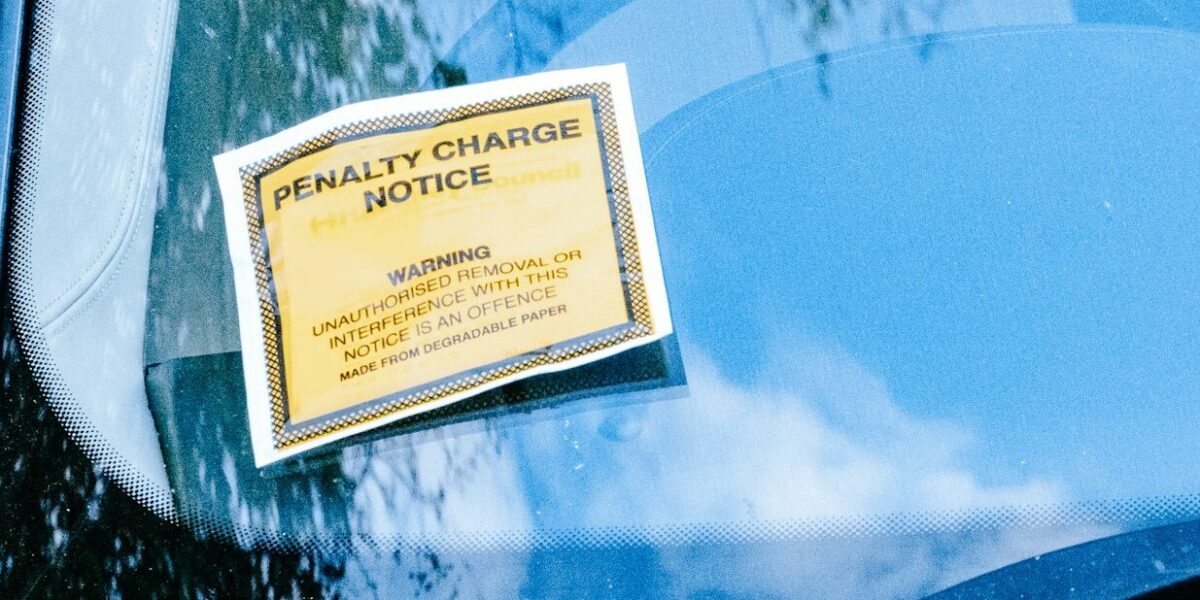
Scam Parking
UK Drivers warned over sophisticated parking fine text fraud
Drivers across the UK are being urged to remain vigilant when parking.
A sophisticated new text scam has emerged, targeting thousands of motorists with fake parking fine demands.
With the use of QR Codes and texts, social media and the internet, online digital fraud is becoming a growing problem throughout society, including when driving.
Have you paid?
The fraudulent messages, uncovered by The Express’s technology team, claim that the recipient has failed to pay a Parking Charge Notice (PCN) and faces additional charges, interest, and even credit score impacts if they don’t act immediately.
Victims are prompted to click a link that leads to a website designed to look strikingly similar to the official GOV.UK portal, where they’re then asked to provide personal information and pay a so-called “fine” of £20.
The text reads:
“Parking Charge Notice (PCN): The record shows that you have unpaid parking fines. The deadline for paying the fine is August 23, 2025. If you fail to pay the fine on time, you may be subject to additional fines and interest.”
Once on the fake site, users are typically asked for their car registration number, postcode, and bank details — data that can then be exploited for identity theft or further financial scams.
Warning
Local councils across the country have taken to social media to warn motorists about the scam, while the GOV.UK website has issued updated guidance for avoiding fraudulent communications:
“Do not give out private information such as bank details or passwords, reply to suspicious texts, download attachments, or click on links if you’re unsure they’re genuine. Forward suspicious messages to 7726 — it’s free and reports the message directly to your mobile provider.”
Cybersecurity experts are warning that the sophistication of this scam makes it particularly easy for motorists to be duped, with the fake site mirroring GOV.UK’s design and branding.

Growing trend
This parking fine con is the latest in a surge of automotive-related scams targeting UK drivers over the past three years:
-
“Ghost Parking Fines” – Fake physical parking tickets have been left on windscreens, instructing drivers to pay via fraudulent websites.
-
DVLA Phishing Emails – Drivers have been sent fake vehicle tax reminders requesting card details.
-
Insurance “Ghost Brokers” – Fraudsters pose as brokers offering heavily discounted car insurance policies that turn out to be invalid.
-
Fake ULEZ Penalty Notices – Since the expansion of London’s Ultra Low Emission Zone, scammers have targeted drivers with false fine demands.
According to the National Fraud Intelligence Bureau (NFIB), motor-related scams cost UK drivers over £25 million in 2024 alone, with phishing-style attacks accounting for nearly 40% of reported cases.
Experts urge vigilance
Rod Dennis, spokesperson for the RAC, described the scam as “particularly nasty,” warning drivers of both short-term and long-term consequences:
“In the short term, drivers lose money paying fines for offences they didn’t commit. But the longer-term risks are even worse if scammers exploit bank or personal data elsewhere.
“If you receive one of these texts, do not click the link. Instead, check directly with your local authority if a fine is genuinely owed. Genuine PCNs are almost always accompanied by a physical ticket or an official letter, not just a random SMS.”
Self-protection
Experts are urging drivers to take the following steps:
-
Don’t click links in unexpected texts or emails.
-
Verify directly with local councils or parking authorities if you believe you may have an outstanding fine.
-
Forward suspicious texts to 7726 to report them.
-
Always check for “https://” and a padlock icon when paying fines online.
-
Consider using credit cards for payments to add an extra layer of fraud protection.
With the GOV.UK electric car grant portal and other motoring-related payment systems increasingly moving online, experts warn that scammers are exploiting motorists’ growing reliance on digital transactions.
“Fraudsters are adapting quickly,” warns cybersecurity analyst Rachel Edmonds from UK Finance. “The cost of falling for these scams can be significant — not just the initial ‘fine’ but also potential identity theft, which can lead to thousands of pounds in losses and months of stress for victims.”
Motorists are advised to remain cautious, stay informed, and always verify the authenticity of any parking fine claims before making payments online.