
Source: Intelligent Instructor
Autonomous Law Enforcement
Robotaxi calls police on drunk teenagers, raising new questions over autonomous vehicle technology
A driverless taxi that reported two drunken teenagers to police before bringing their journey to an abrupt end has reignited debate over the growing role of autonomous vehicles in policing passenger behaviour.
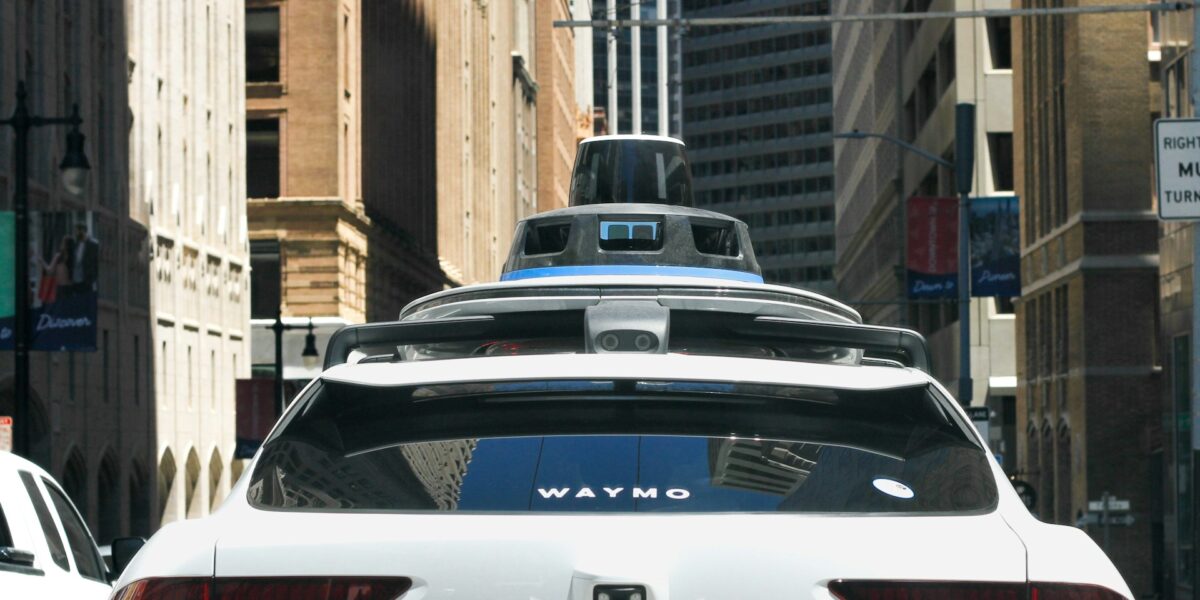
The incident involved a self-driving taxi operated by Waymo in San Mateo, California, after the vehicle detected two 15-year-old passengers allegedly drinking alcohol and firing water beads from a toy gun while travelling through the city.
Step out of the car
According to police, the autonomous vehicle alerted Waymo’s remote operations team, which contacted officers after reviewing the situation.
The vehicle was redirected to a location where police were waiting, and it remained stationary until officers arrived to detain the teenagers.
Initial reports suggested the taxi had driven directly to a police station, although police later clarified that it had stopped at a nearby parking area where officers intercepted it.
Footage released by the San Mateo Police Department showed several armed officers surrounding the vehicle before removing the two teenagers.
Police said the response reflected concerns that the toy gun could easily have been mistaken for a real firearm.
In a statement, the force said the teenagers had been “shooting Orbeez projectiles as they sipped on afternoon libations while being chauffeured around town”, adding that underage drinking and using imitation firearms in public posed serious risks.
Sitting comfortably
The incident has attracted widespread attention because it highlights a capability unique to autonomous taxi services.
Unlike conventional taxis or ride-hailing vehicles, Waymo’s robotaxis are fitted with interior cameras that monitor passenger behaviour, while remote support staff can intervene if a safety issue is detected.
Microphones are only activated during customer support interactions or emergencies.
Waymo, which is owned by Alphabet, operates commercial robotaxi services in several US cities, including San Francisco, Los Angeles, Phoenix and Austin, and is preparing to launch services in London later this year.
At your discretion
The case has prompted fresh debate about the balance between passenger privacy and public safety as autonomous transport becomes more widespread.
Supporters argue that the technology can identify dangerous or illegal behaviour that might otherwise go unnoticed, potentially preventing offences or protecting vulnerable road users.
Critics, however, have questioned whether passengers fully understand the level of monitoring taking place inside autonomous vehicles and how that information may be shared with law enforcement.
The incident also underlines a challenge facing robotaxi operators.
Without a human driver present to intervene, companies rely on remote monitoring and control systems to deal with disruptive passengers, ranging from vandalism and antisocial behaviour to medical emergencies and criminal activity.
The reaction online has been divided.
Some social media users praised the vehicle for preventing potentially dangerous behaviour, while others jokingly described the robotaxi as a “snitch” or expressed concern about the implications of vehicles effectively reporting their own passengers to the police.
Finding the balance
With autonomous vehicles destined to become an increasingly familiar sight on public roads across the world, the incident serves as an early example of how artificial intelligence, remote operators and law enforcement may increasingly work together.
While there are plenty of social and financial benefits to the new technological dawn, there are also inevitable costs to be paid.
This case alone raises new legal, ethical and privacy questions that regulators will need to address alongside the technology itself.