
Source: Intelligent Instructor
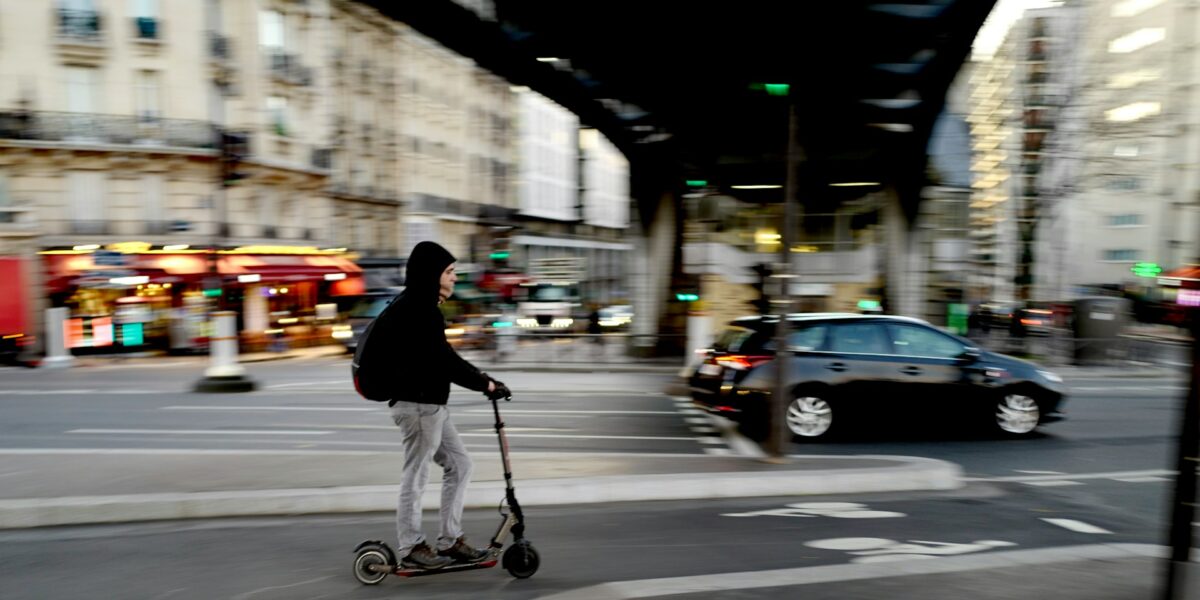
Scooter Dangers Realised
E-scooter casualty figures reveal a steep increase as regulation remains out of sight
Britain’s growing e-scooter casualty problem has been thrown back into sharp focus following the publication of the latest provisional road casualty figures.
Casualty figures have increased significantly and could be the tip of the iceberg due to under-reporting.
Road safety campaigners and emergency services are warning that a lack of legislation and regulation is leaving riders and other road users at increasing risk.
Rising trends
Department for Transport data shows there were hundreds of reported collisions involving e-scooters in 2025, including a significant number resulting in serious injuries and deaths.
While official figures capture only reported incidents, safety organisations believe the true scale of the problem is likely to be far higher due to under-reporting and the difficulty of accurately identifying privately owned e-scooters involved in collisions.
The figures come amid growing frustration that the Government has yet to introduce comprehensive legislation governing private e-scooter use, despite years of trials taking place across towns and cities in England.
Provisionally, there were an estimated 1,484 casualties in collisions involving e-scooters, compared to 1,390 in 2024.
There were 10 people killed in collisions involving e-scooters (10 of whom were e-scooter riders) compared to six in 2024 – a 67% rise.
The DfT’s best estimate, after adjusting for changes in police reporting, is that there were 485 seriously injured and 989 slightly injured in collisions involving e-scooters; this compares with 428 and 956, respectively, in 2024.
Time for change
At present, privately-owned e-scooters remain illegal to use on public roads, pavements and cycle lanes in the UK unless they are part of an authorised rental trial. Despite this, illegal use has become increasingly common in urban areas, with police forces regularly seizing uninsured vehicles.
Road safety groups say the absence of clear regulation is contributing to confusion, inconsistent enforcement and rising casualty numbers.
James Luckhurst, head of road safety at GEM Motoring Assist, said the latest figures highlighted the urgent need for action.
“E-scooters can offer genuine transport benefits, but the current situation is unsustainable,” he said.
“We effectively have thousands of unregulated vehicles being used illegally every day, often by riders with little understanding of road rules, no training and no insurance. That creates significant risks not only for riders themselves but for pedestrians, cyclists and other road users.”
Blue lights
Emergency services have also raised repeated concerns about the severity of injuries linked to e-scooter crashes, particularly head injuries.
Doctors working in trauma and emergency medicine have previously warned that many riders fail to wear helmets.
At the same time, the small wheels and instability of e-scooters can make them particularly vulnerable to potholes, road defects and sudden braking.
Police leaders have meanwhile pointed to the enforcement difficulties caused by the current legal grey area.
Riders caught using illegal e-scooters on public roads can face a £300 fine and six penalty points for driving without insurance, while police also have powers to seize vehicles.
However, officers say widespread availability and low public awareness of the law continue to undermine enforcement efforts.
Law of the jungle
The Government has repeatedly pledged to bring forward legislation creating a new vehicle category for e-scooters and other forms of “micromobility” when parliamentary time allows.
However, campaigners were left disappointed after there was no mention of e-scooter legislation in the recent King’s Speech.
Collaborative Mobility UK chief executive Richard Dilks recently described the omission as “deeply frustrating”, warning it prolongs uncertainty for operators, local authorities and road users alike.
“The UK remains the only major European country not to have fully legalised and regulated e-scooters,” he said.
“Without legislation, we cannot properly introduce safety standards, vehicle requirements or clearer rules around rider behaviour.”
Road safety experts say the latest casualty figures also underline broader concerns around vulnerable road users.
While the Government’s new Road Safety Strategy includes ambitious targets to reduce deaths and serious injuries by 65% by 2035, campaigners argue progress will be difficult without tackling emerging transport risks such as e-scooters.
There are also concerns about younger riders.
Previous research has suggested that teenagers and young adults account for a disproportionate share of those injured in e-scooter collisions, with some incidents involving riders carrying passengers or using devices while distracted by mobile phones.
Motoring organisations have called for any future legislation to include mandatory safety standards, clearer rider education, minimum age requirements and tougher enforcement against dangerous use.
Patience or patients?
The Department for Transport has previously indicated that lessons learned from ongoing rental trials will help shape future legislation, although no firm timetable has yet been announced.
Until then, road safety groups warn that casualty numbers are unlikely to improve significantly as e-scooter use continues to rise faster than the laws governing it.